Mastering the Art of Roasting Vegetables: Your Ultimate Guide
There's something uniquely satisfying about perfectly roasted vegetables. The way humble carrots transform into sweet, caramelized delights, or how broccoli florets develop crispy, savory edges, makes roasting an indispensable cooking technique. It's a simple method that brings out the natural sweetness and depth of flavor in almost any vegetable, turning them from a mundane side dish into a star player on your plate. If you've ever wondered how to roast vegetables to achieve that ideal tenderness with a delicious crisp, you've come to the right place. This comprehensive guide will walk you through every step, ensuring your roasted veggies are always a triumph.
The Foundation: Choosing & Preparing Your Vegetables
The journey to perfectly roasted vegetables begins long before they hit the oven. Proper selection and preparation are crucial for success.
Selecting the Right Vegetables
Almost any vegetable can be roasted, but some benefit more than others. Think about their texture and cooking time. Hardy, dense vegetables like root vegetables and cruciferous options generally excel:
- Root Vegetables: Potatoes, sweet potatoes, carrots, parsnips, beets, turnips. These are excellent candidates, developing deep sweetness and a tender interior.
- Cruciferous Vegetables: Broccoli, cauliflower, Brussels sprouts. These get wonderfully crispy edges and a nutty flavor.
- Squash: Butternut squash, acorn squash, pumpkin. They become incredibly creamy and sweet.
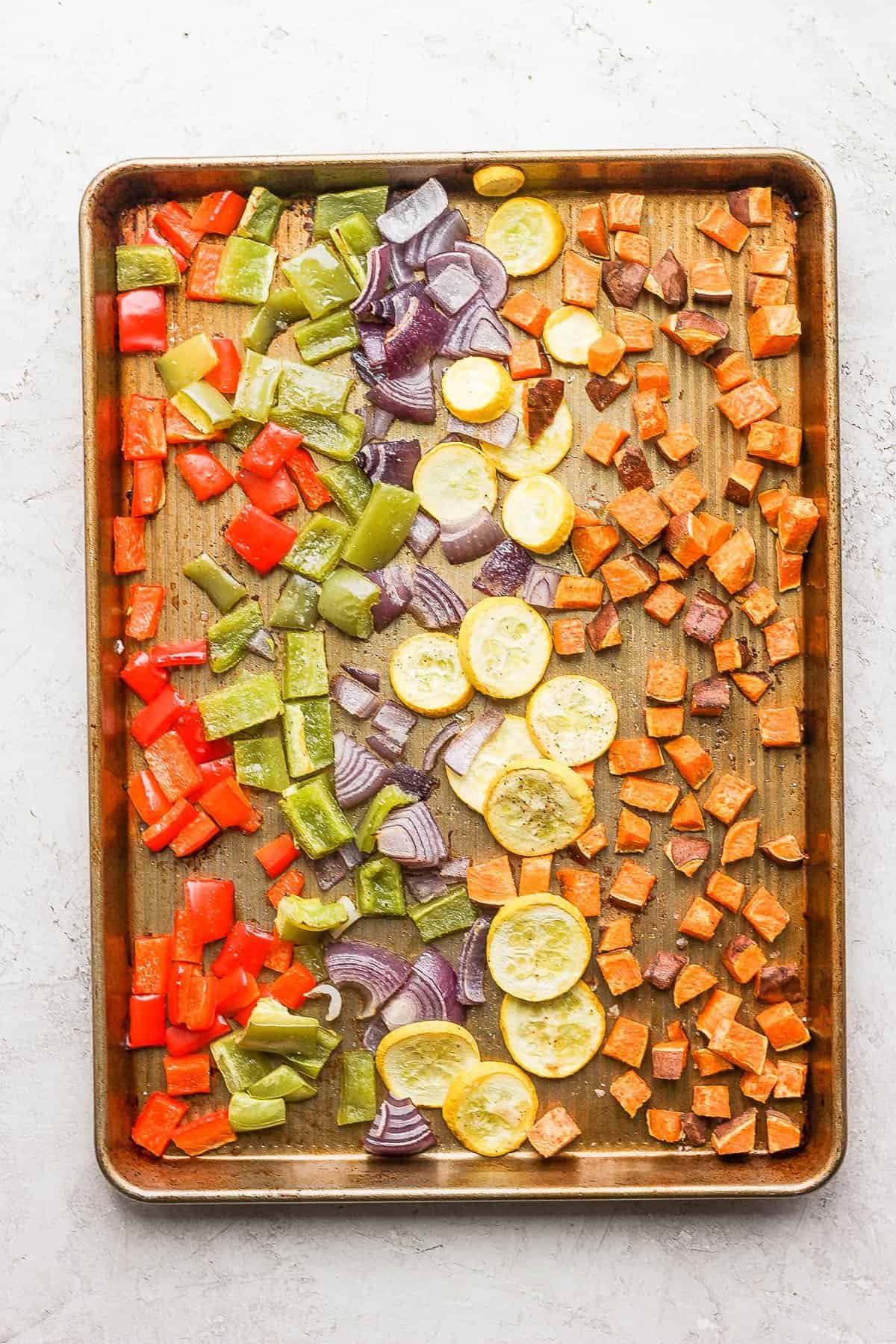
- Softer Vegetables: Bell peppers, zucchini, asparagus, mushrooms, green beans, onions. These cook faster and are best roasted with other quick-cooking veggies or added partway through.
For the best results, always opt for fresh, seasonal produce. Vibrant colors and firm textures are indicators of quality, which directly impacts the final flavor of your roasted dish.
Proper Washing & Cutting for Even Roasting
Once you've chosen your vegetables, give them a good rinse under cold water. Pat them thoroughly dry with a clean kitchen towel or paper towels. Excess moisture will steam your vegetables instead of roasting them, preventing that coveted caramelization.
The most critical step in preparation is uniform cutting. For even cooking, all pieces of a particular vegetable should be roughly the same size. If you're roasting a medley of different vegetables, group similar cooking times together. For example, root vegetables might be cut into 1-inch pieces, while broccoli florets can be slightly larger. This ensures everything finishes cooking at the same time without some pieces burning while others remain raw. Consider checking out how to roast vegetables - Article 2 for more insights on pairing different vegetables!
Mastering the Roast: Oil, Seasoning & Temperature
These three elements are the backbone of flavorful, perfectly textured roasted vegetables.
The Role of Oil
Oil is not just for preventing sticking; it's essential for achieving that golden-brown crust and promoting flavor. A light, even coating of oil helps conduct heat, encourages caramelization, and allows seasonings to adhere. Opt for oils with a high smoke point, such as:
- Olive Oil: A classic choice, imparting a lovely flavor.
- Avocado Oil: Very high smoke point, neutral flavor.
- Grapeseed Oil: Light and neutral.
Use just enough oil to lightly coat the vegetables. Too much oil will make them greasy, while too little will cause them to stick and burn. A good rule of thumb is 1-2 tablespoons of oil per pound of vegetables, adjusting as needed.
Seasoning for Flavor
Beyond salt and pepper, which are non-negotiable, the world of seasonings is your oyster when learning how to roast vegetables. Don't be shy!
- Basic Essentials: Coarse salt (kosher or sea salt) and freshly ground black pepper are your starting point.
- Herbs: Dried herbs like rosemary, thyme, oregano, or sage can be added before roasting. Fresh herbs, such as parsley, cilantro, or dill, are best stirred in after roasting to preserve their vibrant flavor and color.
- Spices: Garlic powder, onion powder, paprika, cumin, chili powder, or curry powder can add incredible depth.
- Acids: A squeeze of lemon juice or a drizzle of balsamic vinegar added after roasting can brighten flavors and cut through richness.
- Sweetness: A touch of maple syrup or honey can enhance the natural sweetness of root vegetables and aid in caramelization.
Temperature & Roasting Time
High heat is key to successful roasting. It creates a crispy exterior and tender interior through the Maillard reaction (browning) and caramelization (sweetening). Most vegetables do best at temperatures between 400-425°F (200-220°C).
Always preheat your oven and the baking sheet. Placing vegetables on a hot pan helps create an immediate sizzle and prevents sticking, initiating the browning process more effectively. Roasting times vary greatly depending on the type and size of the vegetable:
- Hardy Root Vegetables (potatoes, carrots, beets): 30-45 minutes.
- Cruciferous (broccoli, cauliflower, Brussels sprouts): 20-30 minutes.
- Softer Vegetables (bell peppers, zucchini, asparagus): 10-20 minutes.
You'll know they're done when they are tender when pierced with a fork and have nicely browned, caramelized edges.
Achieving Perfection: Spacing, Flipping & Troubleshooting
Even with the right ingredients and temperature, a few common pitfalls can hinder your roasted vegetable success. Avoid them with these tips.
Don't Crowd the Pan!
This is arguably the most crucial rule for crispy roasted vegetables. If you pile too many vegetables onto one baking sheet, they will release moisture and steam instead of roast. This results in soggy, limp vegetables rather than beautifully browned ones. Always spread your vegetables in a single layer, ensuring plenty of space around each piece. If you have a large batch, use two or even three baking sheets, rotating them halfway through cooking if your oven has hot spots.
Flipping & Turning for Even Browning
For uniform browning and crispness on all sides, toss or flip your vegetables halfway through the roasting time. Use a sturdy spatula or tongs to gently turn the pieces, ensuring different surfaces come into contact with the hot pan and circulating air.
Troubleshooting Common Issues
- Soggy Vegetables: Too much moisture (not dried enough), too much oil, oven temperature too low, or most commonly, overcrowding the pan.
- Burned Outside, Raw Inside: Pieces are cut too large, or the oven temperature is too high for the size of the pieces. Ensure uniform, appropriate sizing.
- Lack of Flavor: Not enough seasoning! Don't be afraid to taste and adjust. A splash of acid (lemon juice, vinegar) at the end can also perk up flavors significantly.
Creative Variations & Serving Suggestions
Once you've mastered the basics of how to roast vegetables, the possibilities for flavor combinations are endless.
Flavor Boosters & Finishes
Elevate your roasted veggies with these additions:
- Balsamic Glaze: Drizzle a reduction of balsamic vinegar over your roasted vegetables for a sweet and tangy finish.
- Fresh Herbs: Toss with chopped fresh parsley, cilantro, basil, or chives just before serving.
- Cheese: A sprinkle of grated Parmesan or crumbled feta cheese adds a salty, savory kick.
- Nuts & Seeds: Toasted pine nuts, chopped walnuts, or sesame seeds provide a delightful crunch and nutty flavor.
- Citrus Zest: Grate some lemon or orange zest over the top for a burst of freshness.
Beyond the Side Dish
Roasted vegetables are incredibly versatile. Don't relegate them to just a side! Incorporate them into:
- Salads & Grain Bowls: Add them warm or cold to boost flavor and nutrition.
- Pasta & Tacos: A fantastic vegetarian filling.
- Soups & Dips: Puree roasted sweet potatoes or bell peppers into creamy soups or flavorful dips like romesco.
For more advanced techniques and specific recipe ideas, be sure to check out how to roast vegetables - Article 3.
Conclusion
Mastering how to roast vegetables is a culinary superpower that transforms simple ingredients into extraordinary dishes. By focusing on proper preparation, precise seasoning, adequate heat, and crucial spacing, you can consistently achieve vegetables that are tender, caramelized, and bursting with flavor. It’s a versatile technique that not only enhances the taste of your food but also encourages healthy eating with minimal effort. Experiment with different vegetables, oils, and seasonings to discover your favorite combinations, and soon you'll be creating perfectly roasted vegetables every time.
