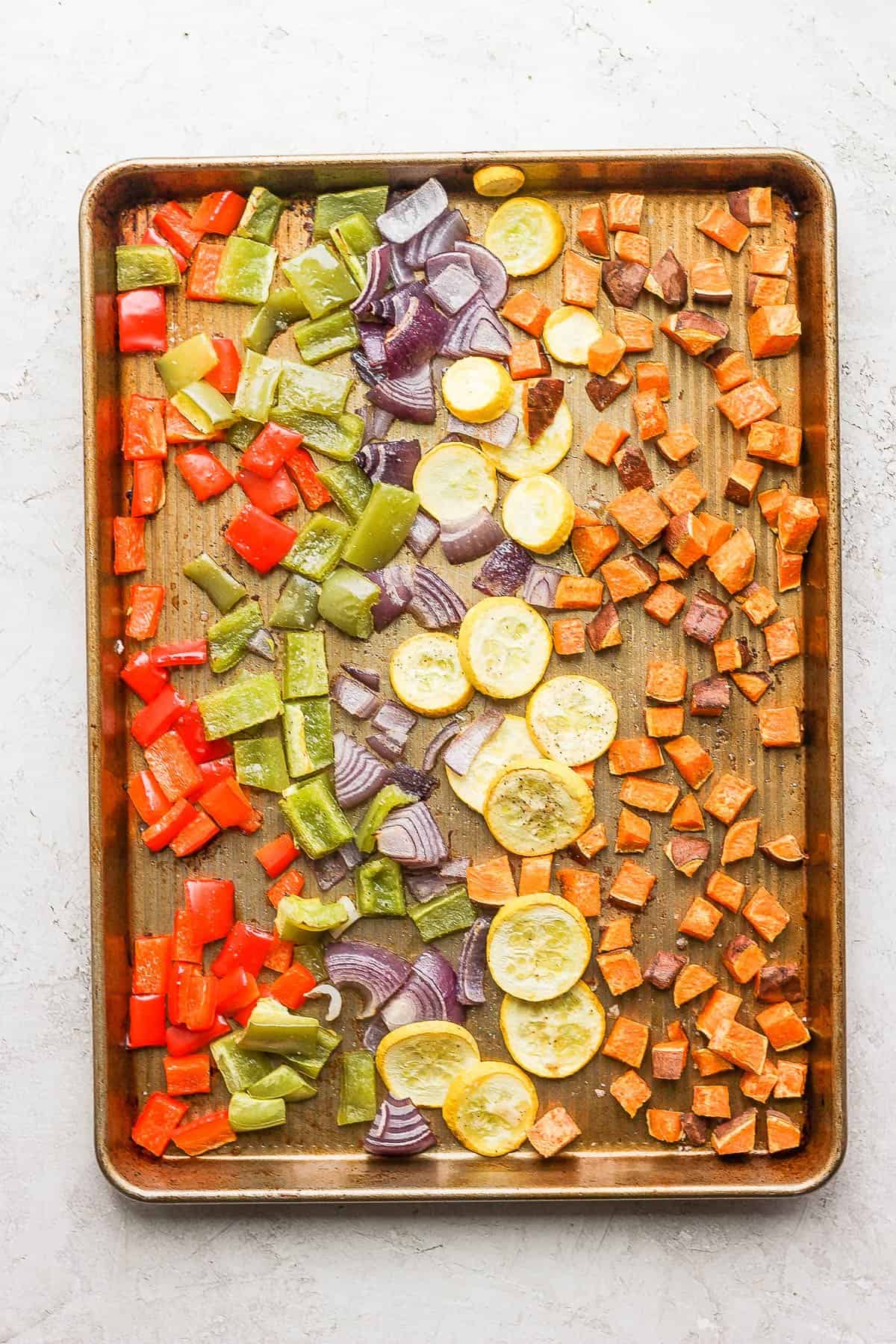
Beyond the Basics: Mastering the Art of Roasting Vegetables
Roasting vegetables is a culinary skill that transforms simple produce into flavorful, tender, and often crispy delights. While the basic principles of how to roast vegetables - Article 1 are straightforward, there's a world of nuance that can elevate your results from good to truly exceptional. This article delves deeper, providing advanced tips, troubleshooting common pitfalls, and offering strategies to achieve consistently perfect roasted vegetables every time.
Prepping for Perfection: The Cut, The Clean, and The Dry
The foundation of great roasted vegetables lies in meticulous preparation. It might seem minor, but these steps make a significant difference:
- Uniform Cutting: This is paramount for even cooking. Whether you're dealing with sturdy root vegetables like potatoes and carrots or more delicate items like bell peppers and zucchini, strive for pieces of roughly the same size and thickness. Inconsistent cuts lead to some pieces being burnt while others remain raw.
- Thorough Washing: Always wash your vegetables thoroughly to remove any dirt or residues.
- Absolute Dryness: Perhaps the most overlooked step in learning how to roast vegetables is ensuring they are completely dry before adding oil and seasoning. Moisture creates steam, which prevents caramelization and results in soggy vegetables instead of crispy ones. After washing, pat them thoroughly with a clean kitchen towel or paper towels. For some vegetables, like mushrooms, laying them out on a baking sheet to air dry for 15-20 minutes can also help.
The Right Fat, The Right Flavor: Choosing Your Oil
The oil you choose does more than just prevent sticking; it contributes to flavor, texture, and even how well your vegetables brown. Different oils have different smoke points and flavor profiles:
- Olive Oil: A classic choice for its fruity flavor and medium smoke point. Extra virgin olive oil is great for finishing, but a regular or light olive oil is often better for roasting at higher temperatures.
- Avocado Oil: With a very high smoke point (up to 520°F/270°C) and a neutral flavor, it's excellent for high-heat roasting without imparting any unwanted taste.
- Grapeseed Oil: Another neutral-flavored oil with a high smoke point, ideal for letting the vegetable's natural flavors shine.
- Coconut Oil: Can add a subtle sweetness and tropical note, especially good with sweet potatoes or carrots. Be mindful of its lower smoke point compared to avocado oil.
- Specialty Fats: For an extra layer of richness, consider duck fat or clarified butter (ghee), which offer incredible depth of flavor and high smoke points.
Use just enough oil to lightly coat the vegetables. Too much oil can make them greasy; too little and they won't brown properly.
Seasoning Strategies for Savory Success
Beyond salt and pepper, thoughtful seasoning can transform your roasted vegetables:
- Basic Salt & Pepper: Always use kosher salt or sea salt for better flavor and control. Black pepper adds a gentle heat.
- Herbs:
- Hardy Herbs (Rosemary, Thyme, Oregano): Can be added at the beginning of roasting as they withstand heat well. Chop them finely.
- Tender Herbs (Parsley, Cilantro, Dill, Basil): Best added after roasting, as their delicate flavors and textures are easily destroyed by high heat.
- Spices: Cumin, smoked paprika, garlic powder, onion powder, chili powder, curry powder, or a dash of cayenne can add incredible complexity. Toss them with the vegetables and oil before roasting.
- Aromatics: Whole cloves of garlic (peeled) or chunks of onion can be roasted alongside other vegetables, mellowing and sweetening beautifully.
- Acids: A squeeze of lemon juice or a drizzle of balsamic vinegar added after roasting brightens flavors and cuts through richness.
Common Roasting Mistakes and How to Avoid Them
Even seasoned cooks can fall victim to common pitfalls when learning how to roast vegetables. Recognizing and correcting these errors is key to consistent success.
Overcrowding the Pan: The Enemy of Crispness
This is arguably the most common mistake. When a baking sheet is too full, vegetables release moisture, which gets trapped because there's nowhere for the steam to escape. Instead of roasting, the vegetables end up steaming. This leads to limp, soggy results instead of caramelized edges and tender interiors.
- Solution: Use multiple baking sheets if necessary. Arrange vegetables in a single layer with a little space between each piece. Air circulation is your friend!
Incorrect Oven Temperature: Too Low, Too High
The oven temperature dictates how your vegetables cook and brown.
- Too Low (e.g., 350°F/175°C): Results in slow cooking, more steaming than roasting, and less browning and caramelization.
- Too High (e.g., 475°F/245°C+): Can quickly burn the exterior before the interior is cooked through, especially for denser vegetables.
- The Sweet Spot: Most vegetables roast beautifully between 400-425°F (200-220°C). This range provides enough heat for proper caramelization and tenderizing without burning. For very dense vegetables, you might start slightly lower and finish higher.
Skipping the Flip: Uneven Browning
While some recipes might say "roast until done," ignoring the midway flip means only one side of your vegetables gets that glorious browning and crisp texture.
- Solution: Midway through the roasting time (or every 15-20 minutes for longer roasts), use a spatula to toss or flip the vegetables. This ensures even exposure to the hot pan and oven air, promoting all-around caramelization and preventing one side from burning while the other remains pale.
Under-Seasoning or Over-Seasoning
Finding the right balance of seasoning is crucial. Under-seasoned vegetables taste bland, while over-seasoned ones can be overwhelming.
- Solution: Start with a moderate amount of salt and pepper. You can always add more salt, pepper, or other finishing seasonings after roasting, but you can't take it away. Taste a piece if safe to do so, or use your judgment based on experience. Remember, vegetables shrink, concentrating flavors, so don't be shy with seasoning, but don't overdo it either.
Mastering Specific Vegetable Groups for Optimal Roasting
Different vegetables respond to roasting in unique ways. Understanding their characteristics is key to truly mastering how to roast vegetables - Article 3.
Root Vegetables (Potatoes, Carrots, Parsnips, Sweet Potatoes, Beets)
- Characteristics: Dense, starchy, take longer to cook. They sweeten beautifully as their starches convert to sugars.
- Tips:
- Cut into 1/2 to 1-inch pieces.
- Roast at 400-425°F (200-220°C) for 30-45 minutes, flipping halfway.
- For extra crispy potatoes, you can par-boil them briefly (5-7 minutes) before roasting, then rough up the edges by shaking them in a colander.
Cruciferous Vegetables (Broccoli, Cauliflower, Brussels Sprouts)
- Characteristics: Can get beautifully crisp and caramelized, with a slightly bitter edge that mellows with roasting.
- Tips:
- Break broccoli/cauliflower into florets, halve Brussels sprouts (or quarter larger ones).
- Roast at 400-425°F (200-220°C) for 20-30 minutes. Watch closely as they can go from perfectly charred to burnt quickly.
- A squeeze of lemon juice at the end brightens their flavor.
Softer Vegetables (Zucchini, Bell Peppers, Asparagus, Mushrooms, Onions)
- Characteristics: Cook relatively quickly, prone to getting soggy if overcrowded or overcooked.
- Tips:
- Zucchini/Bell Peppers: Cut into 1/2-inch thick slices or strips. Roast at 400°F (200°C) for 15-25 minutes.
- Asparagus: Trim woody ends. Roast at 400-425°F (200-220°C) for 10-15 minutes until tender-crisp.
- Mushrooms: They release a lot of water. Ensure plenty of space on the pan and a higher heat (425°F/220°C) for 15-25 minutes to encourage browning rather than steaming.
- Onions: Cut into wedges. They become incredibly sweet and tender when roasted, taking about 25-35 minutes at 400°F (200°C).
Flavor Boosters and Finishing Touches
Once your vegetables are perfectly roasted, a few final touches can take them to the next level:
- Fresh Herbs: Sprinkle chopped fresh parsley, cilantro, basil, or chives over the hot vegetables for a burst of fresh flavor and color.
- Acid: A drizzle of balsamic glaze, a splash of red wine vinegar, or a squeeze of fresh lemon or lime juice can brighten and balance the rich roasted flavors.
- Cheese: Grated Parmesan, crumbled feta, or goat cheese can add a salty, tangy, or creamy dimension. Add during the last few minutes of roasting or right after.
- Crunch: Toasted nuts (almonds, walnuts, pecans) or seeds (pumpkin, sunflower) add a welcome textural contrast.
- Sweetness: A tiny drizzle of honey or maple syrup can enhance the natural sweetness of certain vegetables like carrots or sweet potatoes.
- Heat: A pinch of red pepper flakes can add a pleasant kick.
Mastering how to roast vegetables is about understanding the science behind the heat, the importance of proper preparation, and the art of seasoning. By avoiding common mistakes and tailoring your approach to different vegetable types, you can consistently create dishes that are not only healthy but also bursting with irresistible flavor and texture. Experiment with different combinations, oils, and seasonings, and enjoy the delicious journey of transforming humble vegetables into culinary stars.
